

The Wolfsangel is a German heraldic charge inspired by historic wolf traps, consisting of two metal parts and a connecting chain. The Wolfsangel was an initial symbol of the Nazi Party.1 In pre-WWI Germany, the Wolfsangel was partly inspired by the immense popularity of Hermann Löns's 1910 novel Der Wehrwolf during the 1930s, where the protagonist, a resistance fighter during the Thirty Years' War, adopted the magic symbol as his personal badge. The symbol itself bears a visual resemblance to the Eihwaz rune, historically part of the runic alphabet.1
The Wolfsangel re-appeared in the interwar period as an emblem of nationalist associations, such as the youth section of the German Wehrwolf Freikorps, founded in 1923, the so-called Jungwolf ("Young Wolfe"). In the Nazi era, the Wehrwolf organization was integrated into the Sturmabteilung ("Brownshirts," SA), while the Jungwolf was absorbed into the Hitler Youth.2
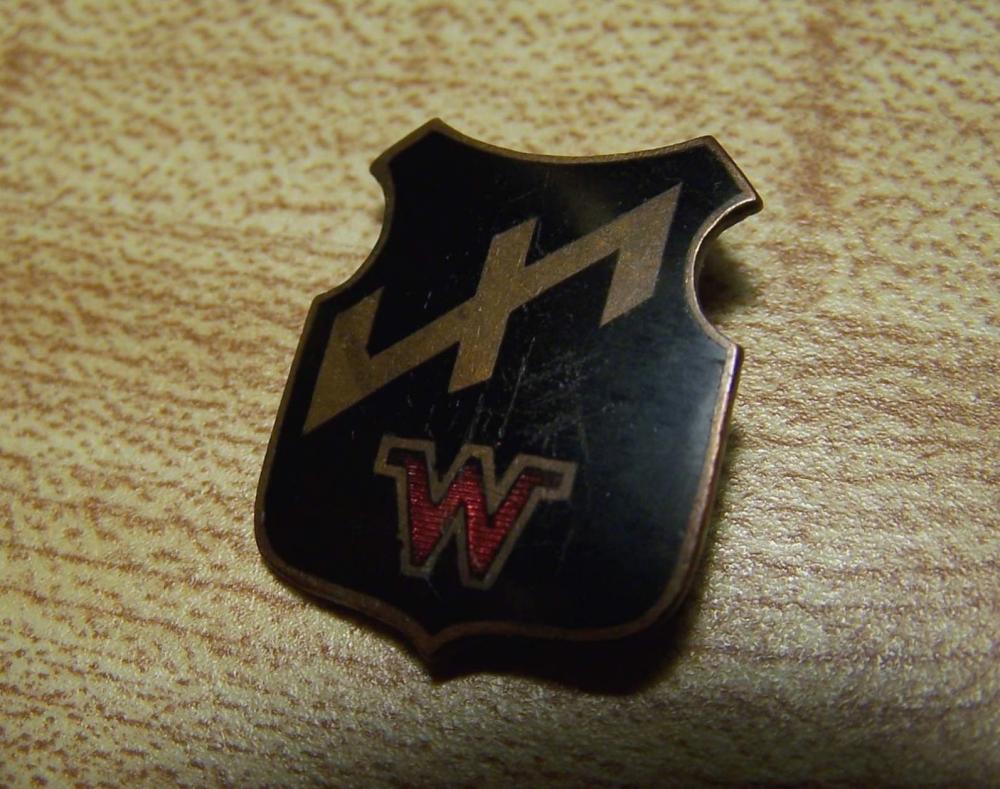
Pin of the Jungwolf, the youth section of the Wehrwolf Freikorps.
In World War II the symbol and its elements were used by various German SS armored and infantry divisions such as the Waffen-SS Division Das Reich and the Waffen-SS Division Landstorm Nederland.1
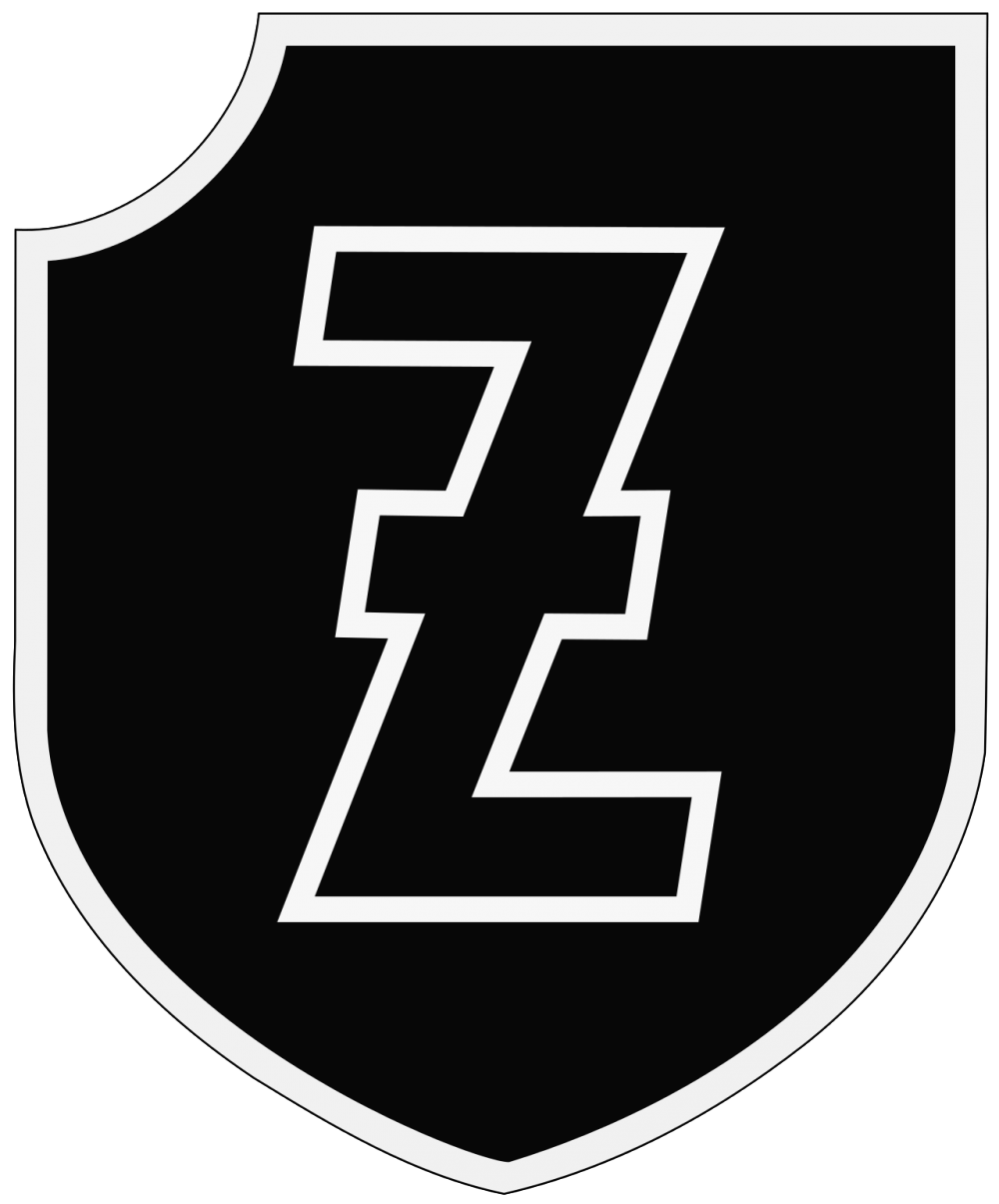
4th SS Polizei Panzergrenadier Division (1939-1945)

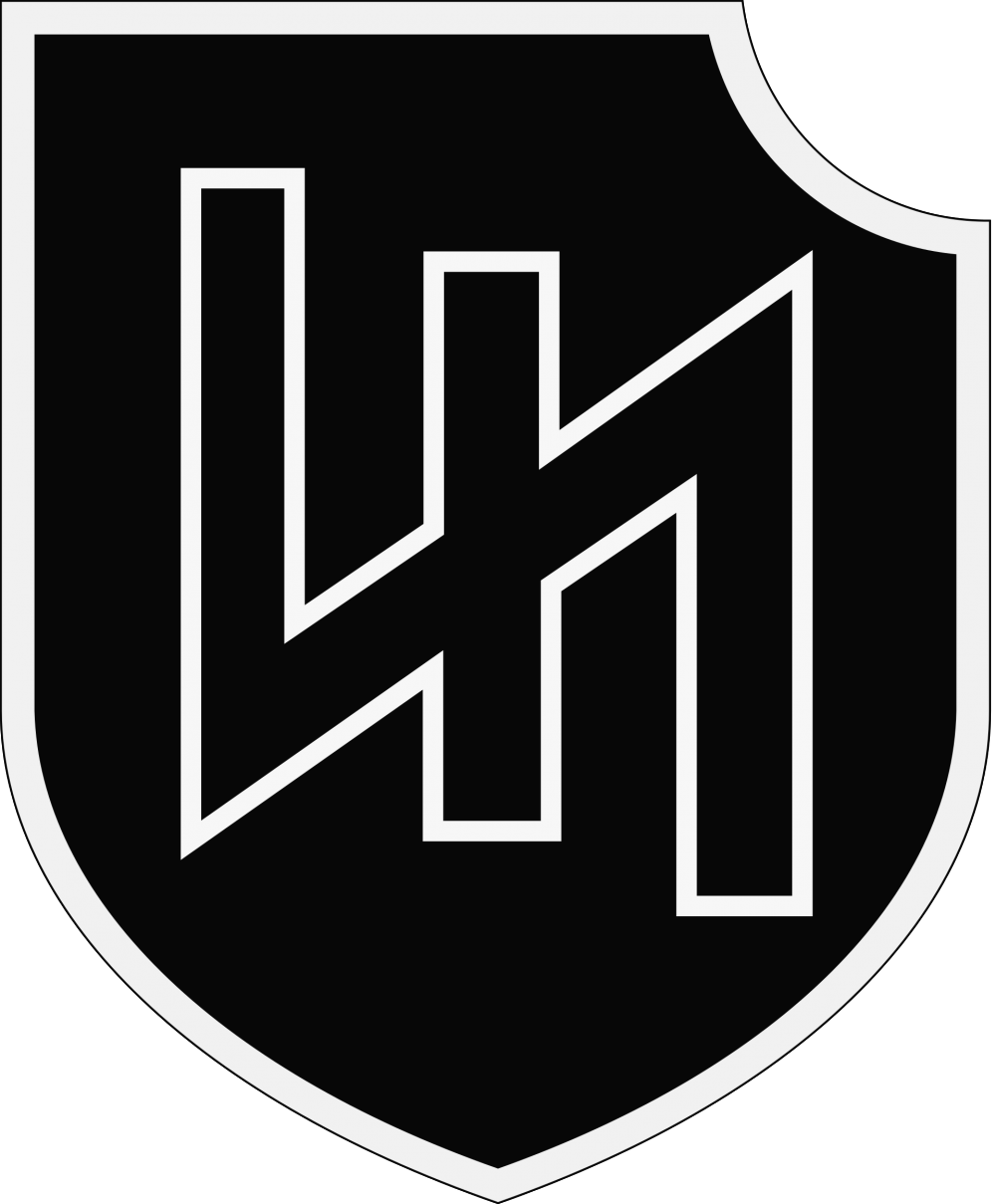
2nd SS Panzer Division Das Reich (1939-1945)
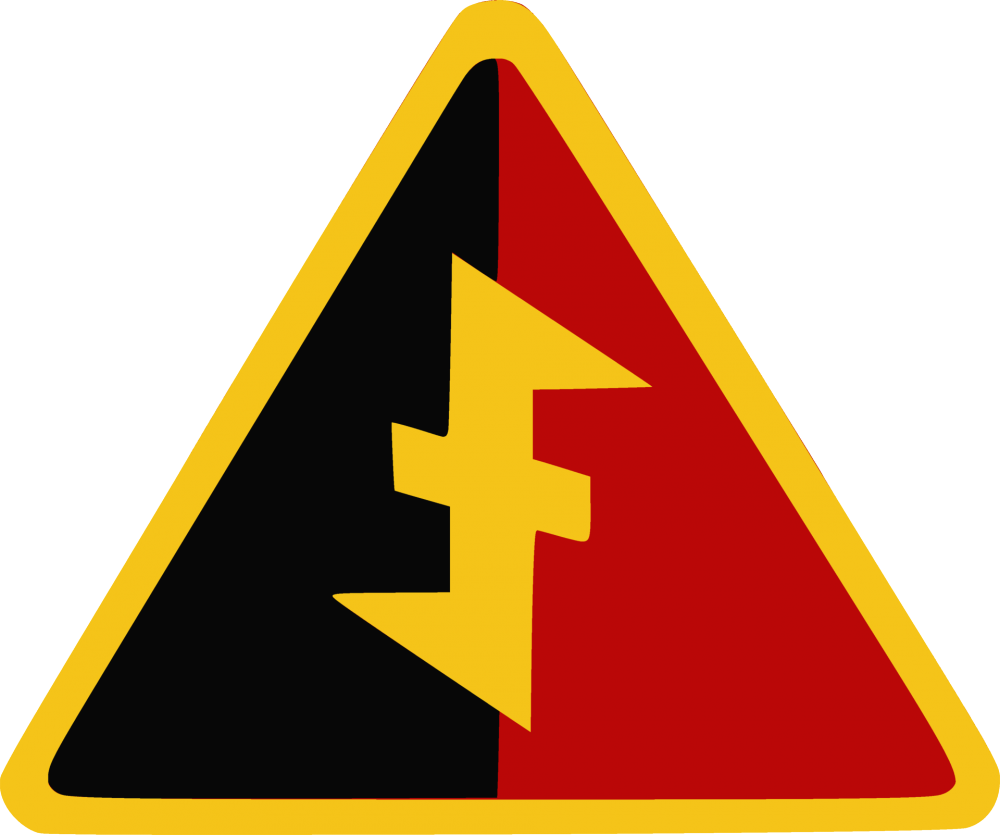
National Socialist Movement in the Netherlands (1931-1945)
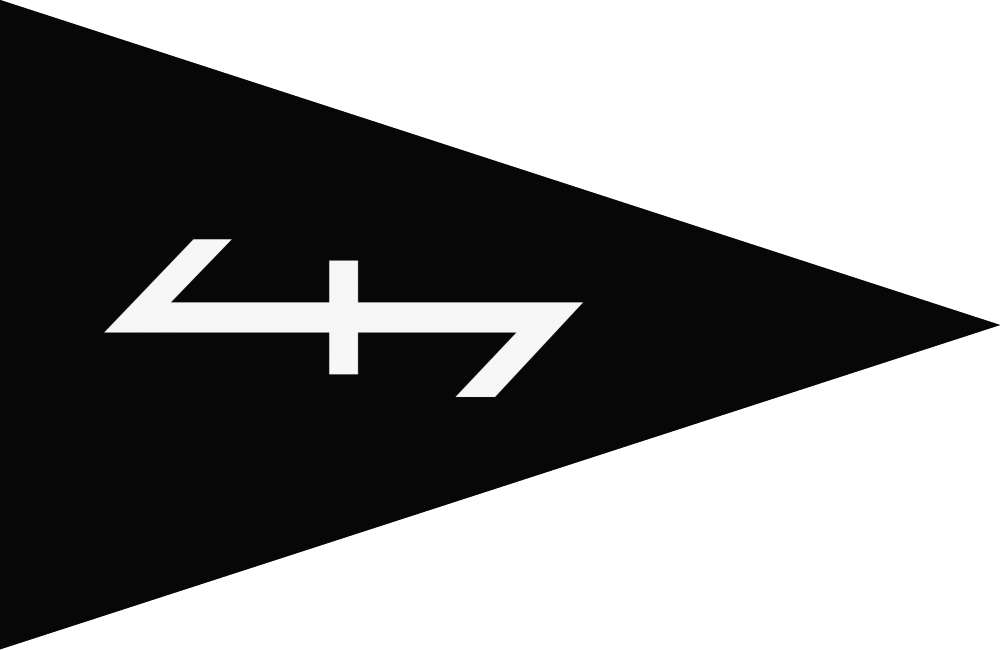
Werewolf pennant (1944-?)
In 1944, Werwolf became the name of a Nazi plan to create a resistance force which would operate behind enemy lines as the Allies advanced through Germany. In the early months of 1945, SS-Obersturmbannführer Otto Skorzeny was involved in training recruits for the Werwolfs, but he soon discovered that the number of Werwolf cells had been greatly exaggerated and that they would be ineffective as a fighting force. Knowing, like many other Nazi leaders, that the war was lost, he decided that the Werwolfs would instead be used as part of a Nazi “underground network,” facilitating travel along escape routes called “ratlines” that allowed thousands of SS officers and other Nazis to flee Germany after the fall of the Third Reich.3
In the late 1970s until the early 1980s, the emblem was used by the Italian neo-fascist group called Terza Posizione, around Massimo Morsello, Roberto Fiore and Gabriele Adinolfi, which was connected to domestic terrorism during those years. Closely linked to Terza Posizione was the openly right-wing extremist terrorist group "Armed Revolutionary Nuclei" (Nuclei Armati Rivoluzionari) which also carried a Wolfsangel in its flag. A symbol reminiscent of the Wolfsangel is used by the Germany-based Thule-Seminar, founded in 1980, and still under the leadership of the French Nouvelle Droite ideologue Pierre Krebs.


Logo of the Nuclei Armati Rivoluzionari (1977-1981), the acronym NAR being underlined with the Nazi Wolfsangel symbol.

Terza Posizione (Italy) (1978-1982)
Terza Posizione's logo is a variation of the Wolfsangel ("wolf trap") symbol, widely used in the Nazi era, with the central bar substituted by a fist holding a hammer.
At the first the first Golden Dawn Congress in Athens in February 1990 a banner with the Wolfsangel was hanging behind speaker, the party founder Nikolaos Mihaloliakos.

At the first the first Golden Dawn Congress in Athens in February 1990 a banner with the Wolfsangel was hanging behind speaker, the party founder Nikolaos Mihaloliakos. He is shaking hands with the German neo-Nazi Bela Ewald Althans.
Since the 1990s the Wolfsangel was used in Ukraine by the Social-National Party of Ukraine,Patriot of Ukraine, Social-National Assembly, and Azov Battalion.
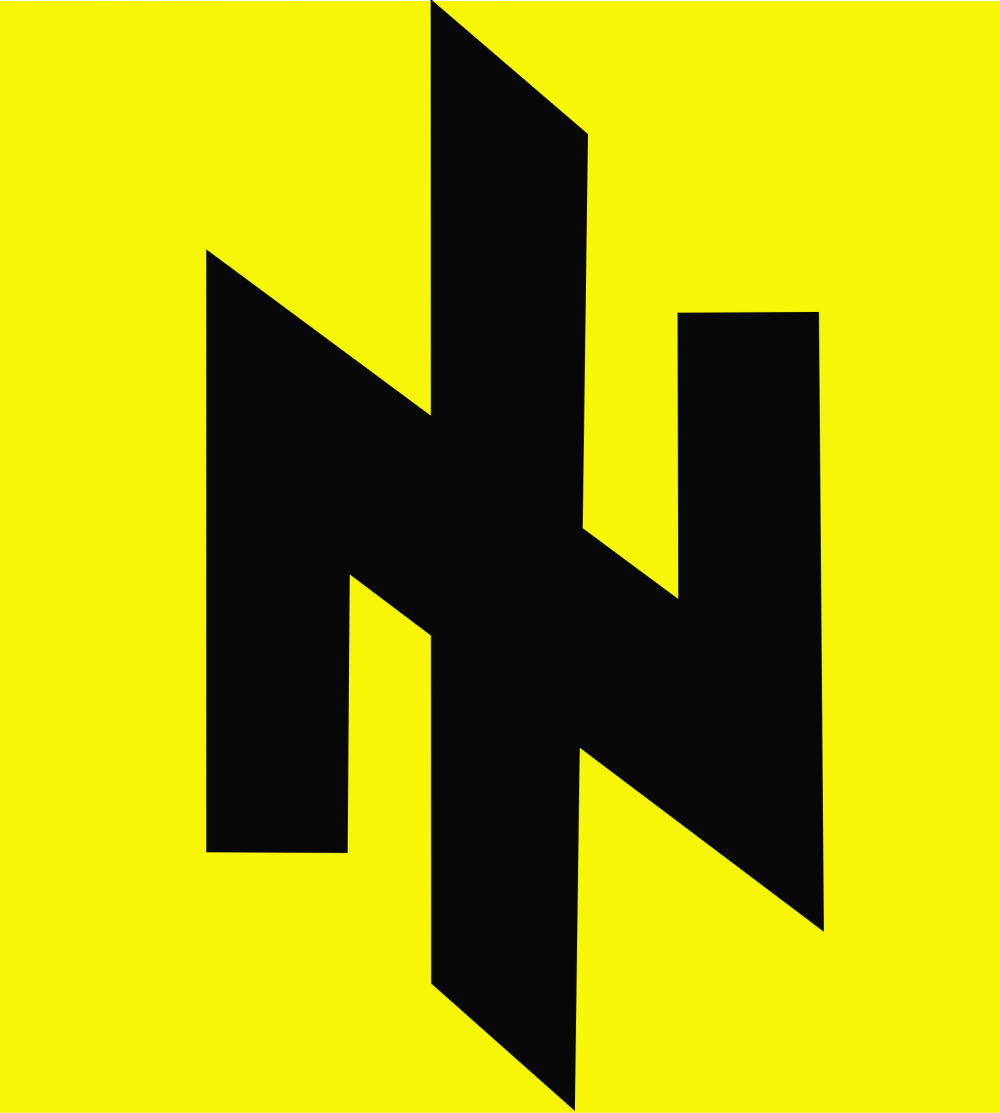
Social-National Party of Ukraine (1991-present)

Social-National Party of Ukraine (1991-present)
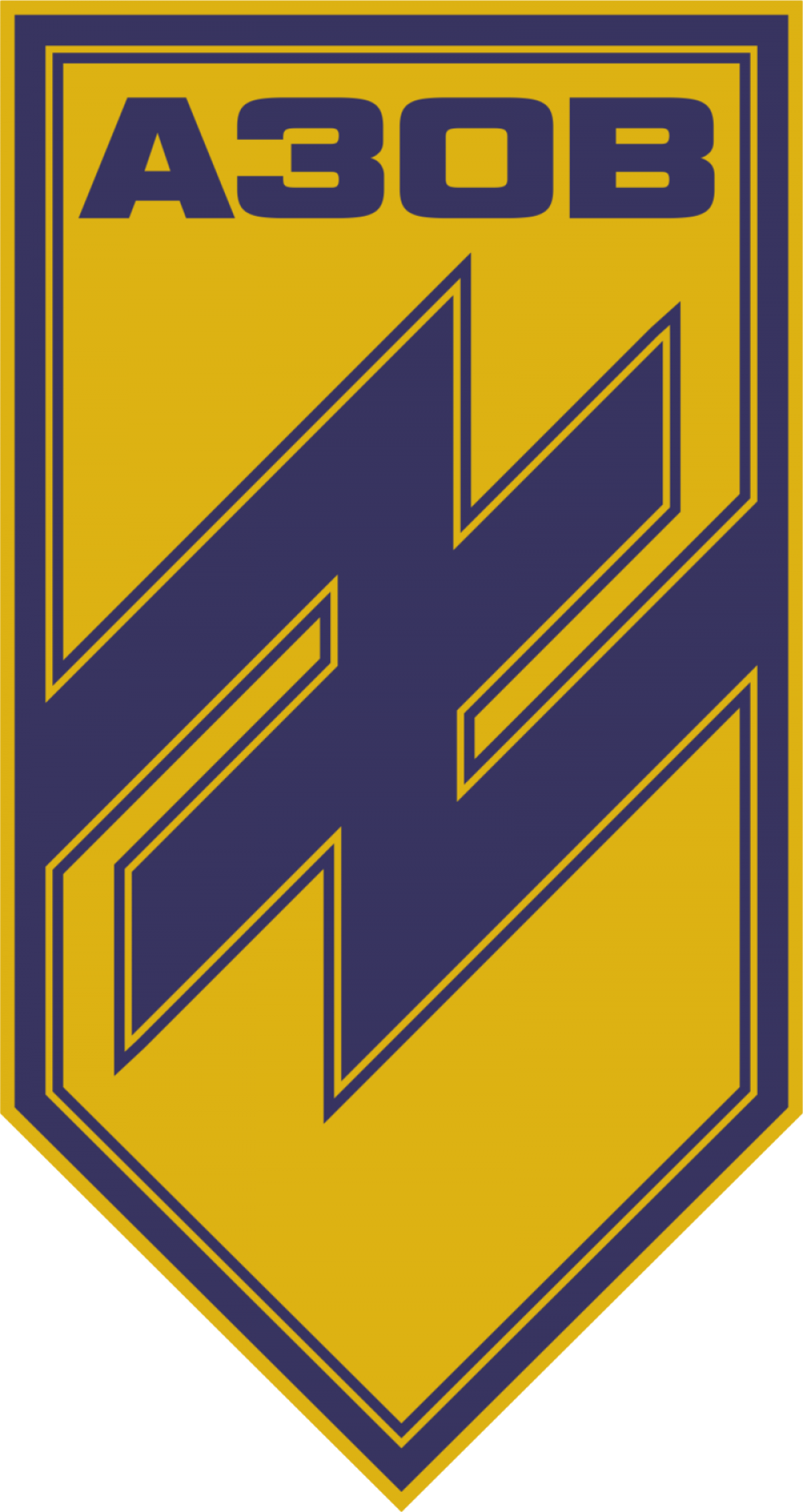
Azov Battalion (2014-present)
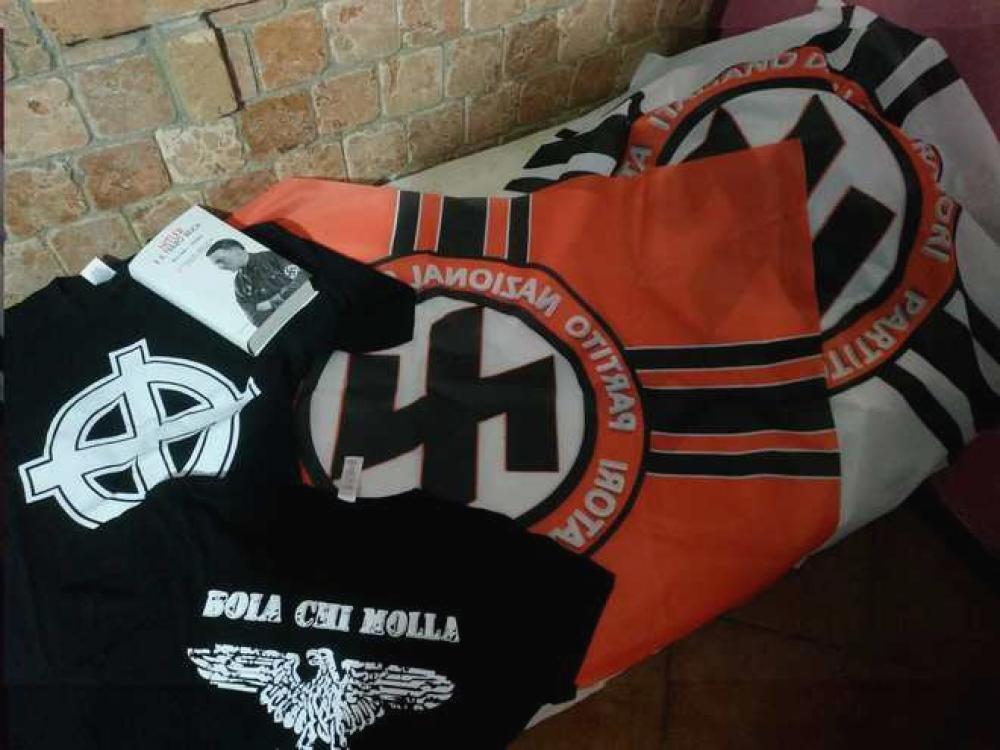
As of late, the symbol has been used by a neo-Nazi group in Italy that calls itself "Italian National Socialist Workers' Party" (Partito Nazional Socialista Italiano dei Lavoratori, PNSIL), and apparently existed since 2017.4 Police units performed house searches among 19 members of the network in 16 Italian cities, seizing a huge arsenal of weapons, including grenades and semi-automatic rifles and explosives.4
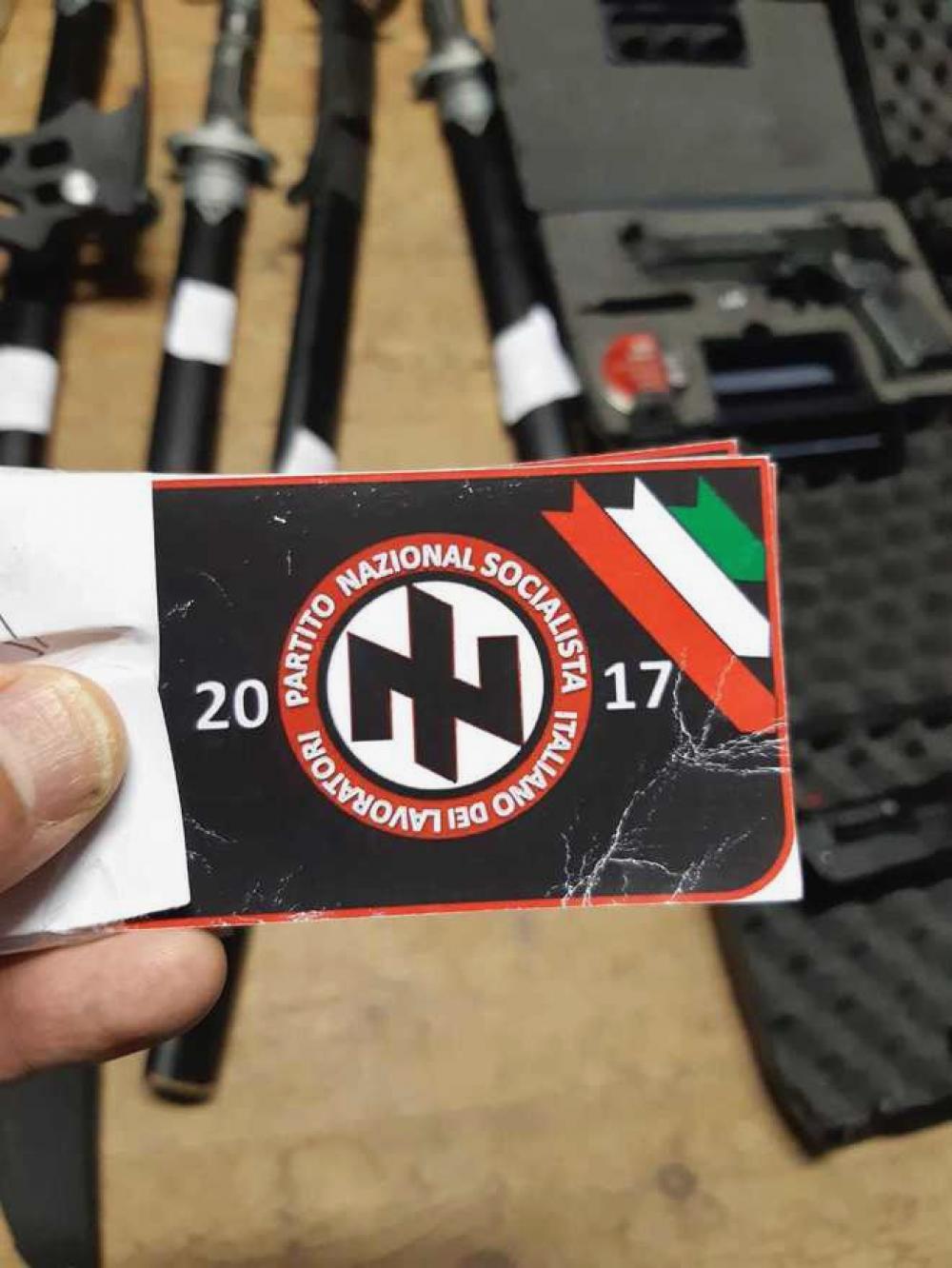
Partito Nazional Socialista Italiano Dei Lavoratori (Italy) (2017-2019)
- 1 a b c Robin Lumsden, Himmler's SS: Loyal to the Death's Head (The History Press, 209), 201–206, ISBN 978-0752497228.
- 2Kurt Finker, "Wehrwolf. Bund deutscher Männer und Frontkrieger," in Dieter Fricke (ed.), Die bürgerlichen Parteien in Deutschland. Band II (Berlin: Das Europäische Buch, 1968), 835–840.
- 3Rob Vest, “Otto Skorzeny: The Scar-Faced Commando,” 2002, Indian University South East, https://web.archive.org/web/20130625233117/http://homepages.ius.edu/RVEST/SkorzenyDr2.htm.
- 4 a b Lorenzo Tondo, "Italian police uncover Nazi plot as 19 arrested and weapons seized," The Guardian, November 28, 2019, https://www.theguardian.com/world/2019/nov/28/italian-police-uncover-nazi-plot-as-19-arrested-and-weapons-seized.


.svg)

